
One of the biggest promises of artificial intelligence at work is time: automate the repetitive task, summarize the meeting, draft the email, analyze the spreadsheet. But when technology gives people time back, a second question appears: what happens to the human interaction that used to occupy that time?
A complicated research picture
A 2026 Workday study of 2,150 AI-using workers found that AI could reduce burnout and increase confidence while also contributing to a workplace “connection deficit.” One in five Gen Z workers surveyed said they had taken time off because of loneliness or isolation.
At the same time, Gensler’s 2026 Global Workplace Survey reported that heavy AI users described stronger team relationships and more time learning than their peers. These findings are not necessarily contradictory: AI’s social effect depends on how organizations implement it.
What might disappear when a task becomes automated?
If a machine supplies an answer instantly, the task becomes more efficient. But the conversation, mentoring, informal learning and relationship-building that used to happen around the task can disappear.
Work is more than production
Work is also where many adults learn, mentor, build professional identity and experience belonging. An AI strategy should therefore ask: What human interaction are we removing? What social learning might disappear? How will younger workers learn from experienced colleagues?
Human-centered efficiency
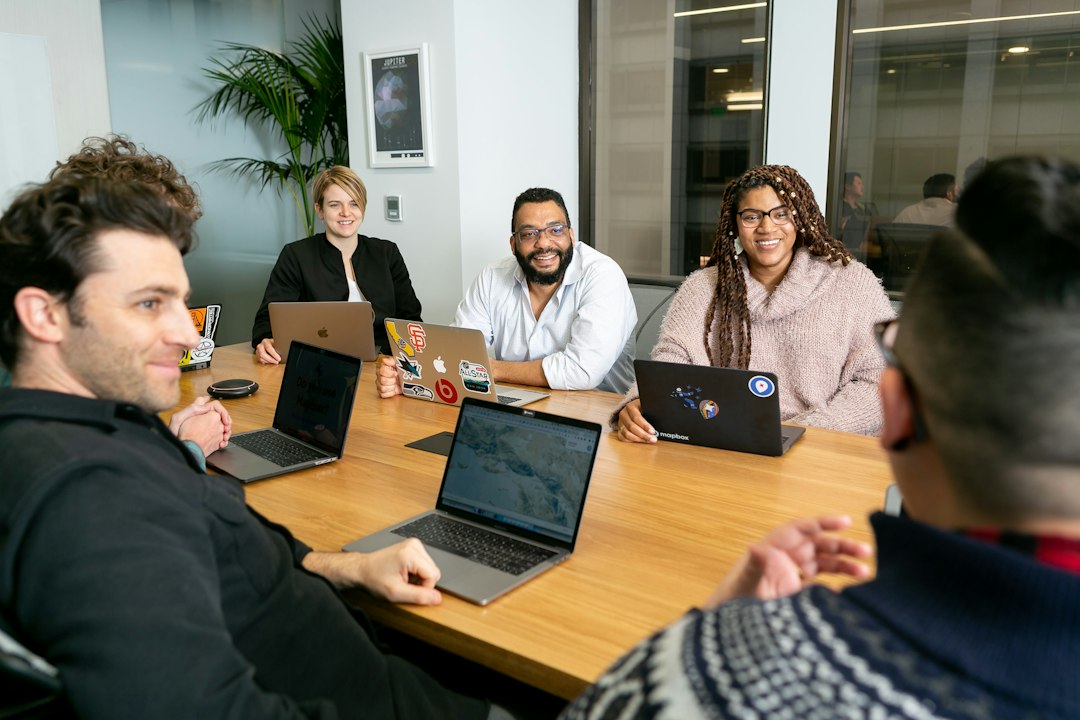
The best AI workplace may be the one where machines absorb low-value repetition so people can invest more time in mentoring, collaboration, customer relationships and meaningful problem-solving.
Human Impact Takeaway
AI should give us more time to be human, not less reason to interact with humans.
Sources: Workday, 2026; Gensler, 2026; ILO, 2026.