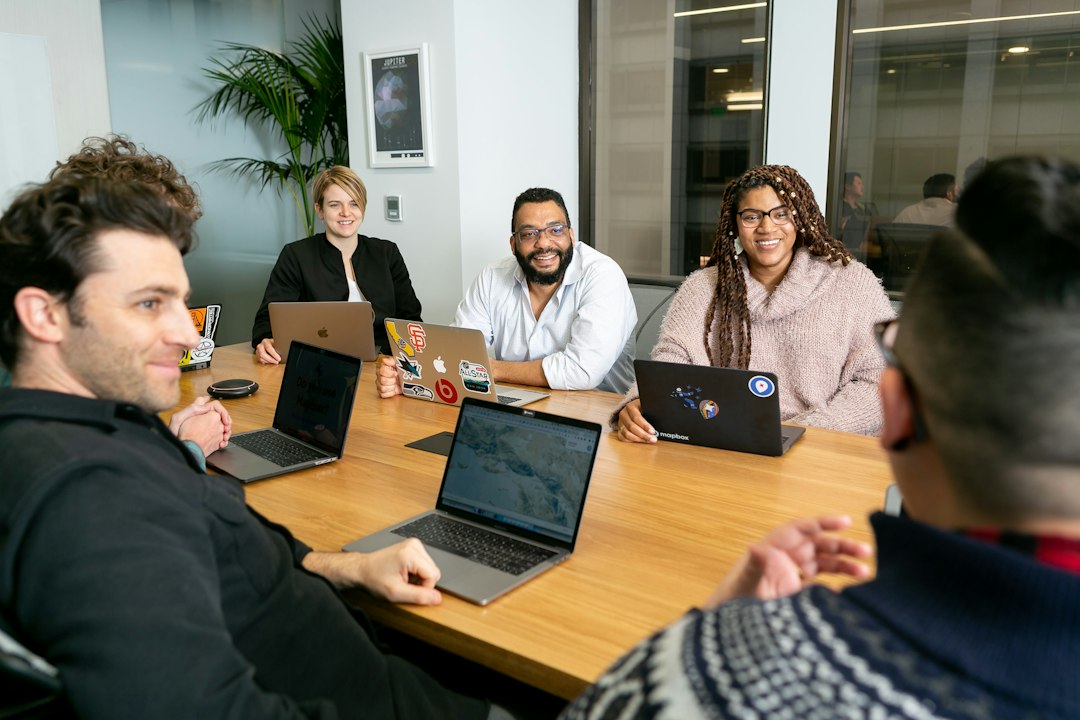

The future of work is not simply a race to learn the latest AI tool. It is a race to become the kind of worker who can use technology while still doing the things technology does not automatically solve: understanding people, communicating clearly, exercising judgment and creating trust.
GMAC’s 2026 Corporate Recruiters Survey found communication was the most valued skill among recruiters surveyed, cited by 64% of respondents, followed by problem-solving at 62% and adaptability at 60%. AI-tool use ranked lower, at 50%.
AI skills matter. They are not the whole career equation.
A chatbot can draft an email. A person still has to understand the relationship behind the email. AI can summarize a disagreement. A person still has to understand why two people are frustrated. A model can offer ten options. Someone still has to decide which one fits the real situation.
Why the label “soft skills” is misleading
Communication, empathy, teamwork and leadership are often called soft skills. That language makes them sound optional. They are not. A salesperson who cannot establish trust can struggle regardless of their analytics. A manager who cannot understand employee concerns can struggle despite perfect dashboards.
The labor market is signaling a combination
The World Economic Forum’s Future of Jobs Report 2025 places analytical thinking alongside resilience, leadership, creative thinking, technological literacy, empathy, active listening and curiosity among employers’ core skills.
The career advantage may be the combination
The strongest AI-enabled worker may be someone who can explain what the technology can do, understand what the data suggests, recognize what people need, identify risks and make a defensible recommendation.
Human Skills Are Future Skills
Learn AI. Learn your field. But deliberately practice communication, listening, collaboration, adaptability, leadership, creativity and empathy. Tools change; these capabilities can travel across industries.
Human Impact Takeaway
Your humanity is not the part of your career that remains after AI takes the technical work. It is part of the value you bring to the work.
Sources: GMAC 2026 Corporate Recruiters Survey; World Economic Forum, Future of Jobs Report 2025; PwC 2026 Global AI Jobs Barometer.